The internet is undergoing a significant evolution, moving toward a more decentralized structure often referred to as Web3. This new phase is built on blockchain technology, which enables interactions without central authorities. At the heart of this transformation are smart contracts, the foundational technology that powers decentralized applications (DApps) and a more open, user-centric web.
Understanding Smart Contracts
Smart contracts are the essential building blocks of the decentralized ecosystem. They are not traditional legal documents but rather self-executing programs stored on a blockchain. Their primary function is to automate the terms of an agreement between parties.
What Are Smart Contracts?
A smart contract is a piece of code written to execute automatically when specific, predetermined conditions are met. These rules are inscribed directly onto the blockchain, making them transparent and unchangeable. Once deployed, the contract operates autonomously without the need for human intervention or intermediaries.
Think of a smart contract like a digital vending machine. A user inserts funds (cryptocurrency), selects an item, and the machine automatically dispenses the product if the conditions are met. There is no cashier or third party needed to complete the transaction; the rules are enforced by the machine’s programming.
How They Operate
The process begins when a developer writes the contract’s logic and deploys it to a blockchain network. From that point on, it operates according to its programming.
Key characteristics of smart contracts include:
- Automation: They run on their own once triggered by a transaction or event, eliminating the need for manual enforcement.
- Immutability: Once a smart contract is on the blockchain, its code generally cannot be altered. This ensures that the terms of the agreement remain fixed.
- Transparency: The logic of a smart contract is visible to all participants on the network, fostering trust and verifiability.
This combination of features allows for trustless transactions. Participants can engage with each other with confidence that the terms will be met, as the contract’s execution is guaranteed by the network itself.
The Rise of Decentralized Applications (DApps)
Smart contracts are not just for simple transactions; they form the backend logic for a new class of applications known as DApps. These applications are a core component of the Web3 vision.
Defining DApps
Decentralized applications run on a peer-to-peer blockchain network rather than on centralized servers owned by a single company. Because their core logic is governed by smart contracts, DApps operate without a single point of control or failure. This architecture gives them unique properties like censorship resistance and user data sovereignty.
Building Blocks of a DApp
A typical DApp consists of two main parts. The first is the smart contract, which serves as the backend. It defines the rules, manages data, and executes the application’s core functions on the blockchain. The second part is the frontend, which is the user interface that people interact with, often built using standard web technologies.
This frontend connects to the blockchain, allowing users to interact with the smart contract by sending transactions. To do so, users need a digital wallet, which acts as their gateway to the decentralized web, enabling them to approve actions and manage their assets.
The Engine of Web3: Ethereum Technology
While many blockchains support smart contracts, the Ethereum platform was a pioneer in making this technology widely accessible. It provided the infrastructure and tools that fueled the growth of the DApp ecosystem.
Why Ethereum is Central
Ethereum was designed from the ground up as a programmable blockchain, often described as a “world computer.” It introduced the smart contract functionality that allowed developers to build applications beyond simple cryptocurrency transactions. Its large and active developer community has created a robust ecosystem of tools, standards, and services. This established network effect makes it a leading platform for building and launching decentralized services.
Core Components and Challenges
At the core of the Ethereum network is the Ethereum Virtual Machine (EVM), a sandboxed environment that exists on every computer in the network. The EVM is responsible for executing smart contract code exactly as programmed, ensuring consistency and security across the platform.
However, the popularity of the network has led to challenges, primarily related to scalability. During periods of high activity, the network can become congested, leading to slower transaction times and higher fees. In response, the developer community is actively working on upgrades and Layer 2 solutions, which process transactions off the main chain to improve speed and reduce costs.
Real-World Impact and the Future
The combination of smart contracts and DApps has already unlocked numerous use cases and is laying the groundwork for a more decentralized digital world.
Major Use Cases
The most significant application of this technology so far is Decentralized Finance (DeFi). DeFi platforms use smart contracts to recreate traditional financial services like lending, borrowing, and trading without banks or brokers. Other important use cases include:
- Non-Fungible Tokens (NFTs): Smart contracts manage the creation, ownership, and sale of unique digital assets.
- Gaming: Blockchain-based games use smart contracts to create in-game economies and verifiable ownership of virtual items.
- Supply Chain Management: Companies can use smart contracts to automate the tracking of goods and ensure transparency from origin to destination.
Powering the Next-Generation Internet
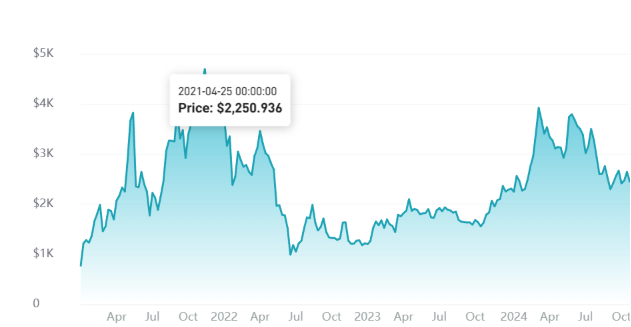
Together, these technologies form the foundation of Web3. By removing intermediaries and giving users control over their data and assets, smart contracts and DApps are shaping a more open and programmable internet. The growth of this ecosystem is often reflected in the market, with metrics like the ethereum price usd being closely monitored by participants. As the technology continues to scale and mature, its potential to reshape digital interaction and commerce grows, moving society closer to the vision of a truly decentralized web.